If you work in pastry, coffee, or cocktail programs, you already recognize the quiet power of a lotion whipper. A cooled cylinder, a few trembles, and the ideal gas transform simple dairy into structure and silk. The tool looks safe. The threats conceal in the margins, where stress, temperature level, and gas handling satisfy everyday habits. This is where experts either construct a culture of safety or gamble with fingers, encounters, and reputations.
I've run hectic bread stations and trained bar teams throughout kitchens where whipped cream chargers are made use of from open to close. I've also investigated the consequences of a couple of preventable cases, including a split gasket that sent out a steel head throughout a prep space and a frostbite area on a barback's thumb that took weeks to heal. The lessons are consistent: N2O cream chargers use precision and speed, but just if we treat them like the pressurized gas systems they are.
What precisely sits inside a lotion charger
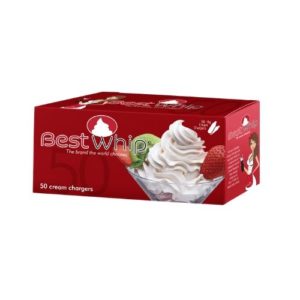
A cream charger is a secured, single-use steel cartridge full of nitrous oxide, generally around 8 grams, made to fit a whipped lotion dispenser. Some producers supply bigger cartridges or storage tanks for high-volume operations, however the core idea continues to be the very same. When punctured in a dispenser's head, the battery charger releases N2O, which dissolves into the fluid base under stress. Shake, and the gas spreads right into microbubbles, supported by fats or other emulsifiers. Shoot, pressure drops at the nozzle, and you get that delicious foam.
Note the difference between N2O and CO2. CO2 has a tendency to produce sharper, extra acidic bubbles and can curdle dairy unless you toughen up conditions and formula. N2O dissolves quicker into fatty fluids and continues to be relatively inert with dairy products, which is why N2O cream chargers possess the classification for whipped cream and numerous foams.
A whipped cream charger is not just a benefit product. It's a little pressure vessel that can hit pressures well above 100 psi inside a dispenser. Temperature level swings multiply those stress. Comprehending that standard physics is the first safety and security step.
The physics that can bite you
Pressurized gases comply with policies, whether we remember our high-school gas laws. Warm enhances pressure, chilly decreases it, quick growth reduces temperature fast. Those three facts explain most cream whipper incidents.
Overfilling the canister with fluid leaves less headspace for gas. Less headspace ways pressure rises rapidly when you charge, even with a conventional 8 gram cartridge. After that individuals try to take care of flow problems by including an additional cartridge. Two chargers on an overfilled can may function one or two times. With time, O-rings deform, strings use, and the day comes when a seal stops working while a person's face sits twelve inches away.
Rapid depressurization chills steel and liquid alarmingly. Frostbite can take place in secs if skin contacts a jet of increasing N2O or a frozen nozzle. I see the same blunder in bars every winter: personnel attempt to get rid of a blocked idea with bare hands. The nozzle vents, the finger stays with chilly steel, and you have a blister or worse.
Temperature misuse adds an additional layer. A whipper forgotten near a warmth lamp or left in a hot delivery truck can escalate internal stress to the point where safety valve work overtime. If a device does not have an appropriate safety valve, stress locates the following weakest link.
The lawful and moral backdrop
Nitrous oxide is a food propellant, however it's likewise a psychoactive gas with abuse capacity. Stores now treat N2O cream chargers with restrictions in many regions, from age restrictions to amount caps. Operators have a commitment to regulate access, particularly if minors or trainees deal with site. The reputational damages from team misuse dwarfs the cost of better controls and training.
In industrial cooking areas, health examiners and insurance policy service providers significantly anticipate documented tools training. If your group makes use of whipped cream chargers daily, your training binder must consist of the dispenser model, maker directions, maintenance periods, and incident feedback steps. It's not documentation for paperwork's benefit. When something fails, those web pages prove persistance and puncture chaos.
Choosing the ideal equipment
All cream chargers look similar until they don't. Production resistances, sealing top quality, and filler gas pureness vary by brand. The differences appear in consistency, off-flavors, and failure rates. An economical batch can save dimes per unit and price you a shift if numerous leakage or fall short to puncture cleanly.
Match chargers and dispensers properly. Some heads are ranked only for N2O cream chargers, not CO2. Some accept only a particular thread standard. Light weight aluminum dispensers really feel light and helpful, however good stainless designs disregard the knocks of solution much better and hold cooler temperatures longer. If you run a high-volume bar program with foams during optimal hours, a stainless body with an enhanced head makes a quantifiable difference in both safety and output.
Look for dispensers with a documented pressure ranking and a relief valve. Check that gaskets are quickly accessible and that the supplier hasn't ceased the design. If you can't discover replacement O-rings and filters in two clicks or a single supplier telephone call, pick a different brand name. Upkeep without parts develops into guesswork.
Setting up a sane workflow
Unsafe practices usually slip in when rate pushes out technique. Develop a station flow that maintains danger reduced without slowing down production.
Keep a specialized charger location. Store unopened whipped cream chargers in a completely dry, amazing closet, not revealed to sunlight or heat resources. Setting the dispenser loading terminal away from active burners or vapor. Put a towel down to catch drips and provide a secure surface area for seating the head.
Pre-chill the container and the fluid. Cold fluid supports foam and keeps inner pressures a lot more foreseeable. A twenty-minute cool for the dispenser body pays off in both texture and security. If you're using non-dairy bases, test the viscosity and sugar web content prior to service. Slim fluids blast out violently, thick ones block. Both cause improvisated solutions throughout rush that elevate risk.
Standardize fill volume. A lot of one-liter dispensers desire around 500 milliliters of cream or base. That provides headspace for gas. Mark squeeze bottles at your target fill line. Staff needs to fill by the mark, not by eye. Overfill is the gateway to overpressure and clogs.
Charging and dispensing without drama
New team often tighten up the head like they're sealing a submarine hatch. Over-tightening crushes O-rings, strips strings, and sets you up for leaks. Firm and also wins.
Use the appropriate variety of N2O cream chargers for your dispenser dimension and base. For a one-liter body with dairy, one battery charger usually is adequate for soft optimals. Two battery chargers can be ideal for ultra-stable or high-fat solutions, however that have to be a dish choice, not a panic switch. If you require much more gas to accomplish texture, transform the base, not the regulations of physics.
Shake with function, not craze. A short, controlled shake, five to ten times, distributes gas evenly. Violent trembling produces dense pockets of gas that vent unexpectedly at the nozzle. If first circulation sputters, stop and wait fifteen seconds. Gas needs time to liquify. Striking it with an additional cartridge while the very first is still equilibrating is how people go beyond risk-free stress without realizing.
Always point the nozzle far from faces and towards a vessel, with a company hold on the trigger. Give gradually in the beginning. If you obtain a high-velocity jet, pause and reassess as opposed to muscling through. Check the suggestion for a partial clog, ensure the gasket rests appropriately, and make sure the fluid is chilly enough.
Clogs and the instinct to do the wrong thing
Clogs examination judgment. You're in the weeds, the ticket rail is full, and the foam has actually turned into a stubborn hiss. Need is to twist off the nozzle or loosen the head while the unit is still under stress. That's how gaskets end up being projectiles.
De-pressurize patiently. Hold the cylinder upright, objective right into a deep sink, and delicately feather the trigger up until the hiss subsides. If nothing comes out, hold a towel over the idea and wait. Gas dissolves extra at stress. Give it a minute to equilibrate, after that try once more. If the nozzle continues to be blocked, eliminate the suggestion thoroughly once stress is gone, never before. Make use of the provided cleaning brush, not a toothpick or a steel skewer that can damage the orifice.
For chronic blockages, look at the dish. Seed bits from seasonings, citrus zest, or chocolate nibs will accumulate in the shutoff. Stress bases via a great chinois or even a coffee filter for troublesome blends. A small amount of xanthan or gelatin can maintain foams and minimize blocking, but examination off-line. Stabilizers can likewise ramp thickness and produce new flow issues if used blindly.
Cold burns are real
Nitrous oxide leaves the battery charger chilly sufficient to ice up skin on contact. You don't see it coming, because the steel looks normal. Team need to treat the cartridge and the valve like a frost threat every time.
Use the sleeve or a towel when removing a spent charger. Do not palm the metal straight right after slit. Never ever test a nozzle obstruction by pressing it against skin. The barback that discovered this the hard way missed out on a week of shifts.
If a cold melt takes place, lukewarm water, not hot, and no massaging. Paper the case and analyze the origin. It's usually either rashness or poor training.
Storage, transportation, and waste
Cream battery chargers endure best in a dry, temperate setting. Avoid keeping boxes near stoves, dishwashing machines venting heavy steam, or on sun-baked delivery docks. Cozy storage space accelerates gasket wear in dispensers and increases failing prices during piercing.
Transport requires equal respect. In vans that heat up, chargers can reach temperature levels that check kink seals. Use shielded totes if ambient temps run high, and prevent leaving battery chargers in vehicles over night during warm months.
Spent chargers remain pressurized a little bit until all gas vents. Pierced but chilly chargers frequently preserve trace gas that can hurry out if crushed. Train staff to drop invested battery chargers right into a devoted steel container, not general trash where they can hit a compactor. https://jsbin.com/xokerijego A lot of communities allow steel recycling. Examine local standards and keep that bin free of food waste. The noticeable act of reusing additionally prevents casual burglary of chargers by advising everybody the cartridges are monitored.
Misuse and the line you should hold
Recreational inhalation of Nitrous Oxide cream chargers creates hypoxia and lugs neurological dangers, especially with persistent misuse. Whether you run a coffee shop or a Michelin kitchen, you are the guardian of this item. Lock storage space, count stock, and keep distribution tight. If a staff member jokes regarding taking battery chargers home, that's a brilliant red flag. Address it quickly, document the conversation, and readjust privileges if needed.
Beyond personnel, the general public checks out headings. A solitary tale of an injury or abuse linked to your place can reverse years of depend on. Clear plans avoid unpleasant scenarios. Post a simple guideline in the BOH manual: N2O is a food propellant, not a toy. Usage only for menu things. No battery chargers leave the building.
Cleaning ritual that stops the scary stuff
Pressure tools stop working when tiny residues accumulate where they should not. Milk clings, divides, and sours. That feeds blockages and corrosion.

After solution, depressurize totally. Unscrew the head just when silent and slack. Get rid of the gasket and valve, after that soak in cozy, slightly soapy water. A tiny brush cleanses the shutoff seat and nozzle. Stay clear of rough abrasives that damage the interior surfaces due to the fact that those scratches collect fat solids and produce mini snag factors. Rinse completely and air-dry. Reassemble just when whatever is bone dry. A damp valve can freeze to itself at following usage, which ends up being one more blockage waiting to happen.
Schedule gasket replacements. Silicone or rubber O-rings don't last forever, specifically with regular charging. I revolve brand-new gaskets every three months in high-volume operations, every 6 in slower shops. Maintain an identified bag of substitutes at the terminal. Don't fish a stretched gasket back right into service because it "kind of" fits. That faster way ends with a leak at the most awful time.
Recipe design for more secure, better foam
Safety and quality adventure with each other. A stable foam streams predictably and places less stress on hardware.
Fat content issues. For dairy, whipping cream in the 30 to 36 percent fat range whips and holds well. Ultra-high warmth treated cream can act in a different way depending on the brand, in some cases needing longer chill or a dashboard of stabilizer. For vegan foams, emulsifiers like soy lecithin, aquafaba, or specialized plant-based lotion bases can execute magnificently, yet they need fine filtration and a tighter thickness home window to prevent clogs.
Sugar impacts thickness and freezing habits. Easy syrup thins, powdered sugar with cornstarch enlarges a little, honey includes elasticity yet can crystallize if not completely liquified. Alcohol decreases surface stress and can collapse foams if utilized aggressively. If you're constructing a mixed drink foam, keep the ABV of the base low, after that provide the spirit in the drink rather than the container. A 1 to 2 percent gelatin remedy, bloomed and cooled down into the base, generates eye-catching, long lasting structure without hammering the dispenser.
Test new dishes at service temperature with the real tools made use of on shift. A foam that behaves in a test kitchen area at a different temperature and with another dispenser could betray you on the line.
Training that sticks
Most near-misses start with somebody who has actually not been shown the proper way. Don't hide training in a binder and expect the very best. Do short, live demos when you onboard, after that rejuvenate month-to-month. Revolve the duty for the whip station so greater than one person possesses proficiency. A station that depends on a single "whipper whisperer" is fragile.

I like to make use of a five-minute micro-drill: identify the parts, inspect the gasket, measure and fill to the line, cost when, shake, test circulation, clean down. If an obstruction takes place throughout the trial, excellent, currently you can educate the safe method to clear it without pressure. Keep the tone calm yet company. Personnel mirror your perspective toward the device.
Troubleshooting patterns you'll actually encounter
- Batch tastes metallic: Can be economical chargers seeping taste or a dispenser that hasn't been washed extensively. Change to a credible brand and run a hot-water and vinegar rinse, after that retest with fresh cream. Foam collapses rapidly: Inspect fat material and temperature. Warm lotion or a base with high alcohol material will certainly fail. One well-timed extra cost can aid, but it should be a dish modification as opposed to a habit. Violent spurts at start: Gas stratification from over-shaking or from sitting on its side too long. Let the cylinder rest upright for a minute, after that a gentle shake and a slow very first squeeze. Chronic small leaks ahead: Used O-ring, overtightened head, or cross-threading. Replace gasket, oil gently with a food-safe lubricant if the producer permits, and train personnel to begin threads delicately before tightening. Random clogs with a "tidy" base: Surprise particulates. Pressure once more via a finer mesh, and evaluate the shutoff for mini build-up. In uncommon cases, you'll discover use burrs in older nozzles that snag particulates. Change the tip.
The bigger photo on environmental and cost considerations
Each lotion battery charger stands for steel and power. High-volume shops can melt with loads daily. If you're committed to sustainability, consider a high-capacity cyndrical tube system coupled with a regulatory authority and compatible dispenser. This reduces single-use waste and frequently lowers per-charge expense. The compromise is stricter handling procedures, vendor vetting, and clear labeling to avoid carbon dioxide and N2O mix-ups.
For tiny procedures, pick recyclable whipped cream chargers, and make recycling part of the closing list. Track use like you track coffee or spirits. Waste reduces when team understand you're counting.
When to retire gear
A dispenser with a ding on the edge or a hairline split in the head doesn't deserve a second chance. Under stress, small flaws broaden into failures. If strings really feel gritty or skip, if the safety valve sticks, or if the interior finishing peels off, pull the device from service and tag it. Saving a hundred bucks on a replacement is the most awful incorrect economic climate in a kitchen.
Two limited checklists for everyday use
Daily pre-service safety checks:
- Inspect the gasket for splits or squashing, replace if questionable. Verify the nozzle and shutoff are clean, completely dry, and seated correctly. Confirm the cylinder body and head are without damages or thread damage. Stage chargers in a cool, completely dry place, out of sunshine and away from heat. Review the recipe card and fill line, after that cool base and canister.
Safe closure after service:
- Fully depressurize before opening up the head, validate silence and slack. Disassemble nozzle and valve, laundry with warm soapy water, and air-dry. Rinse and completely dry the canister body, store with head loosely connected to shield threads. Count invested chargers right into the recycling container, confirm none remain in general trash. Log any kind of leaks, blockages, or unusual actions for follow-up maintenance.
The reward for obtaining it right
When managed with respect, cream chargers and dispensers are workhorses. They let a small team create regular appearances at rate. They hold cool in the rush, and they provide clean lines on a plate or a glass. The guardrails do not slow you down. They remove friction, decrease waste, and offer your group confidence.
The greatest kitchens and bars construct routines that turn risk into reliability. Get strong equipment, write dishes that act, make training visible, and treat every N2O cream battery charger as a regulated tool, not a non reusable trinket. Do that, and your foam will certainly hold, your personnel will maintain their fingers and face, and your guests will certainly taste the distinction without ever before seeing the equipment behind the curtain.